Bento: The Avant-Garde Font That Commands Attention
Every now and then, a typeface comes along that doesn’t just sit quietly on the page—it demands to be seen. Bento is that kind of font. It’s not for blending in, and it’s not for whispering. This is a display typeface built for impact, with a strong artistic personality that turns every letter into a visual statement. If you’ve ever struggled to find a font that feels both creatively bold and professionally polished, Bento might be the missing piece in your design toolkit.
A Typeface with a Strong Visual Personality
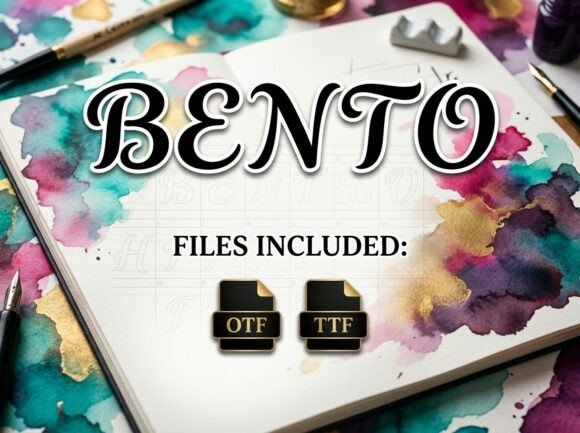
What sets Bento apart from more conventional fonts is its deliberate, almost architectural craftsmanship. Each uppercase letter is designed as a standalone work of art—there are no lowercase characters, which means the focus is entirely on the intricate details of every glyph. This isn’t just a stylistic choice; it’s a strategic one. By omitting lowercase, the creators have ensured that each letter carries weight, presence, and a sense of intentionality. The result is a font that feels high-end, almost luxurious, with artistic flourishes that give it a unique, contemporary edge.
Think of Bento as the typography equivalent of a statement piece of furniture or a bold piece of graphic art. It’s designed to be the focal point, not the background. Whether you’re working on a logo, a poster, or packaging, this typeface brings a level of visual confidence that’s hard to ignore. It’s the kind of font that makes people pause and take notice—which, in a world of endless scrolling and visual noise, is exactly what many brands and creators need.
Practical Uses for Bold, Creative Projects
So where does a font like Bento actually shine? Its avant-garde character makes it ideal for projects where visual impact is a top priority. For branding, it can help a small business or startup establish a memorable identity from the very first glance. Imagine a boutique coffee brand, an independent fashion label, or a modern art studio using Bento in their logo—it immediately communicates creativity, confidence, and a willingness to stand out.
In packaging design, Bento works exceptionally well for products that want to convey a sense of artistry or premium quality. Think of high-end cosmetics, specialty food items, or limited-edition merchandise. The font’s polished finish gives it versatility, so it doesn’t feel out of place on luxury packaging, yet its artistic flourishes keep it from feeling sterile or generic.
For social media graphics and digital content, Bento can help creators cut through the clutter. A bold headline in Bento can make an Instagram post or a Pinterest graphic instantly more engaging. It’s also a strong choice for poster design, event invitations, or editorial layouts where typography needs to carry the visual narrative. If you’re designing a magazine cover, a book jacket, or a promotional flyer, this font adds a layer of sophistication and artistic intent that’s hard to replicate with more common typefaces.
Pairing Bento with Other Fonts
One of the most common questions with a display font like Bento is: what do you pair it with? Because Bento is so visually distinctive, it’s best used sparingly—think headlines, logos, or key pull quotes—rather than for body text. For longer passages of writing, you’ll want to complement it with a more neutral, readable font. A clean sans serif like Helvetica, Open Sans, or Lato can provide a nice contrast without competing for attention. Alternatively, a simple serif font like Georgia or Times New Roman can add a touch of classic balance if your project calls for it.
The key is to let Bento do the talking in the moments that matter most. Use it where you want to draw the eye: a website hero section, a product name on packaging, the title of a social media campaign. Then, let a more understated font handle the supporting text. This approach not only improves readability but also creates a visual hierarchy that guides the viewer’s attention in a natural, intentional way.
Considering Readability and Context
While Bento’s all-caps design makes a strong statement, it’s worth considering how and where you use it. All-caps fonts can be harder to read in longer sentences or at smaller sizes, so they’re generally best suited for short, high-impact text—think headlines, logos, or call-to-action buttons. If you’re using Bento for a website header or a social media graphic, make sure the surrounding text is easy to read to avoid overwhelming your audience.
Also, think about the medium. Bento works beautifully in print materials like posters, business cards, and packaging, where its details can be appreciated up close. In digital contexts, it’s equally effective, but you’ll want to test it at different screen sizes to ensure it remains legible and visually balanced. A quick preview on mobile versus desktop can save you from unexpected readability issues down the line.
What’s Included and How to Use It
Bento comes in two standard font formats: OTF and TTF. The OTF version is ideal if you’re using professional design software like Adobe Illustrator, Photoshop, or InDesign, as it supports advanced typographic features. The TTF version ensures compatibility across a wider range of devices and operating systems, which is useful if you’re sharing files with clients or collaborators who may not have the same design tools.
Because this is a commercial font, it’s important to review the licensing terms before using it in client work or for-profit projects. Most premium fonts like Bento include a license that covers both personal and commercial use, but it’s always wise to double-check the specifics—especially if you plan to use it in merchandise, digital products, or large-scale marketing campaigns. Proper licensing not only protects you legally but also supports the designers who create these valuable assets.
Bringing It All Together
Choosing the right font is about more than just aesthetics—it’s about finding a typeface that aligns with your project’s goals, audience, and overall brand voice. Bento is a creative font that appeals to designers, entrepreneurs, and content creators who want to make a visual impact without sacrificing professionalism. Its unique character makes it a standout choice for logos, packaging, social media, and editorial design, while its polished finish ensures it works in both experimental and high-end contexts.
As with any design asset, the best way to know if Bento is right for your project is to experiment. Try it out in a mockup, pair it with different fonts, and see how it feels in context. Typography is a powerful tool for communication, and when you find a font that resonates with your vision, it can elevate your entire design. Bento isn’t just a typeface—it’s a statement. And sometimes, making a statement is exactly what your project needs.