Mega Studio: The Font That Commands Attention
Sometimes a project needs to do more than just communicate—it needs to shout. Whether you’re launching a bold new streetwear label, designing a poster for a music festival, or creating packaging that jumps off the shelf, the typography you choose is your first and loudest statement. This is where a typeface like Mega Studio enters the conversation, not as a quiet suggestion, but as a definitive declaration. It’s a display font built from the ground up to be noticed, carrying a modern, geometric confidence that feels both contemporary and timeless in its assertiveness.
Understanding Its Visual Character
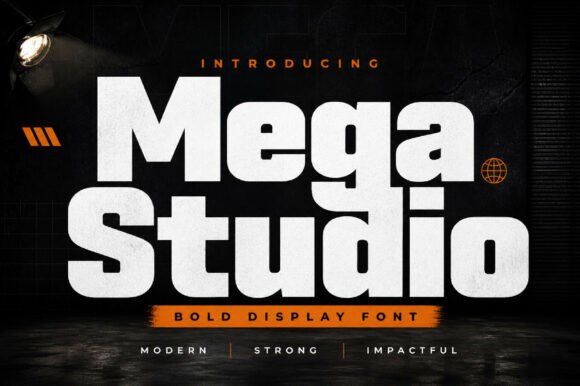
At its core, Mega Studio is an exercise in confident geometry. Its letterforms are constructed with clean, commanding lines and a sturdy, block-inspired aesthetic. This isn't a font that whispers; it speaks with a clear, resonant voice. The robust structure gives it a sense of stability and strength, while the modern proportions keep it feeling fresh and relevant. Think of it as the typographic equivalent of a well-tailored power suit—it conveys authority and a keen sense of style without needing to be overly ornate. Its visual demeanor is dynamic, making it perfect for contexts where you need to establish hierarchy and capture interest instantly.
Where This Typeface Truly Shines
The real value of any design asset is its versatility, and this is where a powerful display font proves its worth. Its personality isn't limited to one niche; it adapts to amplify the core message of diverse projects. Consider its application across a spectrum of creative needs:
- Logo Design & Brand Identity: For brands that want to project strength, innovation, or a cutting-edge vibe, Mega Studio can form the cornerstone of a visual identity. It’s particularly effective for tech startups, fitness brands, automotive companies, and any venture that wants to appear established and forward-thinking.
- Packaging & Merchandise: On a product label or a t-shirt graphic, the font’s assertive nature ensures the brand name or slogan is the focal point. It handles the demands of print with clarity, maintaining its impact whether screen-printed on a hoodie or embossed on a luxury box.
- Posters & Event Graphics: When you need to sell tickets or promote an event from a distance, readability and impact are paramount. The bold, clean letterforms excel in this environment, cutting through visual noise to deliver the essential information—be it a band name, a date, or a headline.
- Digital Presence: A striking website header or a series of cohesive social media graphics can stop the scroll. Using a consistent, bold typeface for key headlines across your Instagram, website, and ads creates a recognizable visual signature that strengthens brand recall.
- Marketing & Editorial: From advertising banners and brochure covers to magazine spread titles, this font style commands attention in crowded layouts. It helps establish a clear visual hierarchy, guiding the reader’s eye to the most important message first.
Making It Work for Your Project
Choosing a bold display font is just the first step. Integrating it effectively requires a bit of strategy. The goal is to leverage its strength without overwhelming your entire design. Here’s how to approach it practically:
Pairing with Purpose: A font this commanding rarely works well alone for body text. The key is to pair it with a more neutral, highly readable companion. A clean sans-serif font for paragraphs or a simple serif for longer copy creates a balanced contrast. The display font grabs attention for headlines, while its partner ensures comfort and clarity for the supporting text. This contrast is a fundamental principle of modern typography that creates professional, engaging layouts.
Context is King: Match the font’s personality to your project’s goal. Is it for a high-energy sports brand? Use it in all caps for maximum punch. For a sleek tech product, perhaps a mixed-case style feels more appropriate and sophisticated. Always test it in the context of your other design elements—colors, imagery, and spacing—to ensure it enhances rather than clashes.
Readability Checks: While designed for impact, always test for legibility at the size it will be used. A headline that looks stunning on your monitor must also be decipherable as a thumbnail on a phone screen or from a distance on a poster. Pay attention to letter spacing (tracking), especially when using all capitals, as a little extra space can significantly improve clarity.
Licensing and File Review: Before finalizing any commercial project, a quick but crucial step is to review the font’s licensing terms. Ensure it covers your intended use, whether for digital ads, printed merchandise, or client work. Also, explore the full font family. Does it include different weights (Light, Regular, Bold) or styles (Italic)? Having these options can provide valuable flexibility within a single design system, allowing you to maintain consistency while varying emphasis.
A Tool for Confident Communication
Ultimately, a typeface like Mega Studio is more than just a set of letters; it’s a tool for visual communication. In a landscape saturated with content, having a reliable, impactful font in your toolkit allows you to craft messages that aren’t just seen, but felt. It helps build brand recognition through consistent, bold presentation, ensures your key messages are read first, and elevates the overall professionalism of your creative output. For the designer, entrepreneur, or creator looking to make a definitive statement, understanding how to wield such a powerful typographic asset is what separates good design from truly memorable communication. It’s about choosing a voice that doesn’t just speak, but resonates.