Buffalow: The Handwritten Font That Brings Designs to Life
There's something undeniably magnetic about a font that feels personal. In a world saturated with crisp, digital perfection, a touch of organic warmth can stop a scroll, catch an eye, and make a message feel genuinely human. That's the quiet power of a well-crafted handwritten font. It doesn't just display words; it conveys personality, emotion, and a sense of authenticity that sterile typefaces often miss. For designers, entrepreneurs, and creators seeking that specific blend of charm and professionalism, the Buffalow font emerges as a compelling choice—a typeface designed not just to be seen, but to be felt.
More Than Just Letters: The Visual Soul of Buffalow
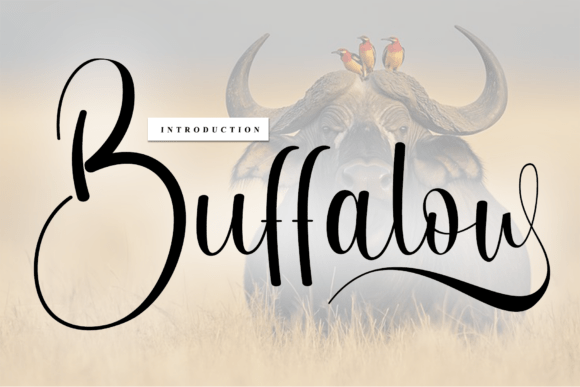
At its core, Buffalow is a premium font that masterfully balances artistic flair with functional elegance. It’s not a chaotic scrawl; each letterform is intentionally crafted with a unique, flowing touch. The strokes have a natural rhythm, with subtle variations in weight and a gentle baseline that mimics real handwriting. This gives text set in Buffalow an immediate sense of life and movement. Unlike many script fonts that can feel overly formal or retro, Buffalow maintains a fresh, contemporary vibe. Its character lies in this duality—it feels both personal and polished, making it incredibly versatile. Whether used for a single impactful word or a short, meaningful quote, the font’s inherent beauty transforms simple text into a visual centerpiece.
Where Buffalow Truly Shines: Real-World Applications
Understanding a font's personality is one thing; knowing where to deploy it is where strategy meets creativity. Buffalow’s strength as a display font means it’s ideal for headlines, logos, and accents rather than long-form body copy. Its legibility at larger sizes is a key asset for projects where first impressions are paramount.
For brand identity and logo design, Buffalow can inject instant character. Imagine a boutique bakery logo, a handmade jewelry brand, or a lifestyle coaching service—the font’s handwritten quality communicates craft, care, and approachability. It helps a brand feel relatable from the first glance. In packaging design, it can highlight product names or special ingredients, adding a layer of artisanal appeal to shelves crowded with generic typography.
The digital realm is equally fertile ground. Social media graphics thrive on personality, and Buffalow is perfect for creating engaging quote cards, Instagram story headers, or Pinterest pins that stand out in a feed. On a website, it can be used strategically for hero section headlines or call-to-action buttons, guiding visitor attention with style. For bloggers and content creators, it offers a way to design compelling featured images or chapter headings that enhance the reading experience.
Don’t overlook the tangible world. Buffalow excels in print materials like business cards, thank-you notes, and posters. It’s a natural fit for invitations—from weddings to product launches—setting a tone of thoughtful celebration. Editorial design for magazines or lookbooks can use it for pull quotes and section dividers to break up grids with organic flow. Even merchandise, from t-shirts to mugs, benefits from its readable yet artistic flair.
Practical Wisdom: Using Buffalow Effectively in Your Projects
Adopting a new creative asset like Buffalow is exciting, but a little practical guidance ensures it elevates rather than overwhelms your work. Here’s how to integrate it seamlessly.
First, consider font pairing. A handwritten font rarely works alone for all text. The classic strategy is to pair it with a clean, simple sans serif font or a timeless serif font. For example, Buffalow could headline a poster while a font like Montserrat or Lora handles the descriptive text. This contrast creates visual hierarchy and ensures readability. Always test pairings in context—see how they look together at the actual size they’ll be used.
Next, match the font to your project’s goal. Is your brand voice whimsical, luxurious, or grounded? Buffalow leans towards friendly elegance. For a luxury brand, you might use it sparingly for a signature touch. For a community-focused project, it can be more prominent. Always let the project’s message dictate the typography’s role.
Readability is non-negotiable. While Buffalow is designed for clarity at display sizes, avoid setting paragraphs in it. Reserve it for short bursts of text—headlines, subheads, logos, and quotes. Ensure sufficient contrast against the background and consider letter-spacing if the text feels too dense.
Finally, review the full package. A quality commercial font like Buffalow often includes multiple styles—perhaps a regular weight, a bold version, or stylistic alternates. Explore these options. Maybe an alternate ‘g’ or ‘y’ suits your aesthetic better. Understanding what’s included allows you to fully leverage the font’s potential across different applications, maintaining visual consistency while adding subtle variety.
The Strategic Choice: Why Fonts Like Buffalow Matter
In the end, choosing a font is a strategic decision. It’s a core component of your visual language that influences brand recognition and audience engagement. A font like Buffalow does more than decorate; it communicates. It tells your audience that you value personality, that you pay attention to details, and that you’re willing to invest in assets that make your presentation feel professional and cohesive.
For the small business owner building a brand from the ground up, the marketer crafting a campaign, or the designer seeking a reliable creative font for client work, having a tool like Buffalow in your toolkit is a smart move. It’s a design asset that solves a common challenge: how to be both distinctive and accessible. By understanding its strengths and applying it with intention, you can create visuals that don’t just catch the eye, but also connect with the heart. That’s the kind of timeless appeal that makes a design truly come alive.