Mermaid: The Display Font That Brings Youthful Joy to Your Designs
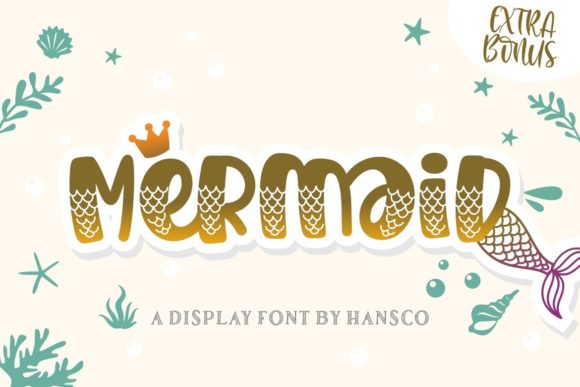
There's something undeniably magnetic about a font that manages to feel both playful and polished at the same time. Mermaid is exactly that kind of typeface—a cool, cute display font that instantly injects personality into any project it touches. Whether you're designing a birthday invitation, creating signage for a pool party, or building out a brand for a children's boutique, this font delivers a visual warmth that's hard to replicate with more traditional choices.
What sets Mermaid apart from the crowded world of display fonts is its ability to walk the line between whimsical and professional. It doesn't look childish or amateurish, yet it radiates the kind of youthful energy that makes people smile. That balance is surprisingly rare, and it's precisely why so many designers, entrepreneurs, and creative hobbyists find themselves reaching for it again and again.
A Typeface Built for Celebrations and Everyday Creativity
Think about the last time you received an invitation that genuinely excited you. Chances are, the typography played a bigger role than you realized. Fonts carry emotional weight—they set the tone before a single word is actually read. Mermaid works beautifully in contexts where you want to communicate fun, approachability, and a sense of occasion without veering into overly formal territory.
Party invitations are a natural fit. Baby showers, quinceañeras, summer barbecues, graduation celebrations—any event that calls for a lighthearted visual identity benefits from this kind of display font. But its usefulness extends far beyond one-off event materials. Small business owners running swim schools, kids' clothing lines, or beachside cafés can use Mermaid to establish a consistent brand voice that feels welcoming and memorable.
The font's letterforms have a gentle, flowing quality that evokes water, movement, and ease. That visual association makes it particularly effective for projects related to swimming, summer activities, ocean themes, or anything connected to leisure and recreation. Yet it never feels gimmicky. The design is thoughtful enough to hold its own in professional contexts, which means you won't outgrow it as your brand or project evolves.
Where Mermaid Truly Shines: Real-World Applications
One of the best things about investing in a quality display font is versatility. You want something that works across multiple touchpoints so your visual identity feels cohesive. Here's where Mermaid earns its place in a designer's toolkit:
- Logo design: A logo sets the foundation for everything else. Mermaid's distinctive character shapes give wordmarks instant personality, especially for brands targeting families, young audiences, or lifestyle markets.
- Packaging design: On shelf or on screen, packaging needs to grab attention fast. This font's playful curves and balanced proportions make product names pop without overwhelming the rest of the layout.
- Social media graphics: Instagram stories, Pinterest pins, Facebook headers—social platforms reward visual distinctiveness. Using Mermaid for headlines or featured text helps content stand out in crowded feeds.
- Website headers and blogs: While you wouldn't set an entire blog post in a display font, using it for hero sections, pull quotes, or section headers adds visual interest and reinforces brand personality.
- Print materials: Flyers, brochures, postcards, and business cards all benefit from a font that communicates warmth and approachability. Mermaid handles these formats with ease.
- Merchandise and apparel: Tote bags, t-shirts, stickers, and mugs designed with a cohesive typeface look more intentional and sellable. A font like Mermaid gives merchandise a boutique feel.
- Editorial layouts: Magazine features, zines, and creative publications can use display fonts for covers and headlines to establish mood and draw readers in.
- Digital products: If you're selling planners, worksheets, or templates, the fonts you choose directly affect perceived value. A premium font signals quality and care.
Each of these applications benefits from the same core qualities: visual consistency, brand recognition, and audience engagement. When your typography aligns with your message, people notice—even if they can't articulate exactly why something looks good.
Pairing Mermaid with Other Fonts for Maximum Impact
No font exists in isolation. The real magic happens when you combine typefaces thoughtfully. Mermaid is a display font, which means it's designed for larger sizes—headlines, titles, and featured text. For body copy, you'll want something more restrained.
A clean sans serif font pairs naturally with Mermaid's playful energy. Think of fonts like Montserrat, Open Sans, or Lato for paragraphs and supporting text. The contrast between a whimsical display face and a straightforward sans serif creates visual hierarchy without feeling disjointed.
If your project leans more editorial or sophisticated, consider pairing Mermaid with a classic serif font for body text. The combination of playful and traditional can feel surprisingly refined—perfect for boutique branding or lifestyle blogs that want personality without sacrificing elegance.
Script fonts and handwritten fonts can also work alongside Mermaid, but tread carefully. Too many decorative fonts competing for attention creates visual noise. If you do combine them, use each one for a distinct purpose—perhaps Mermaid for the main headline and a subtle script for a tagline or accent word.
The best approach is always to test. Set your headlines in Mermaid, try a few different body font options, and see which combination feels right for your specific project. Typography is as much intuition as it is strategy.
Practical Tips for Getting the Most from This Creative Font
Before you commit any font to a final design, a few practical considerations will save you headaches down the road:
- Check the full character set. Make sure Mermaid includes all the glyphs you need—uppercase, lowercase, numbers, punctuation, and any special characters relevant to your language or market.
- Review available styles. Some premium fonts come with multiple weights or stylistic alternates. Understanding what's included helps you use the typeface to its full potential.
- Test at actual size. A font that looks gorgeous in a design mockup might lose clarity at small sizes. Always preview your work at the dimensions it will actually be seen.
- Consider your audience. Mermaid's youthful, joyful aesthetic is perfect for certain markets but might not suit a law firm or financial institution. Match your typography to who you're trying to reach.
- Understand licensing. If you're using the font for commercial projects—selling products, creating client work, or building a business brand—make sure your license covers that use. Most premium fonts offer clear commercial licensing, but it's worth confirming before launch.
- Stay consistent. Once you choose Mermaid for a brand or project, use it consistently across all materials. Inconsistent typography undermines even the best design work.
These aren't complicated steps, but they make a meaningful difference in the final result. Professional presentation comes from attention to details like these, not just picking a font that looks nice in a preview.
Why the Right Display Font Matters More Than You Think
In a world saturated with content, the visual choices you make either help you connect with your audience or get lost in the noise. Typography is one of the most powerful tools you have for communicating personality, setting expectations, and building trust—often before a single sentence is read.
Mermaid offers something genuinely useful: a creative font that balances charm with usability. It's not trying to be everything to everyone, and that's exactly what makes it effective. For designers building brand identities, entrepreneurs launching products, content creators crafting social media presence, or hobbyists making something beautiful for people they love, having a reliable, visually distinctive display font in your collection is a practical advantage.
The best design choices feel effortless to the viewer. Behind that effortlessness is intentionality—careful selection, thoughtful pairing, and consistent application. A font like Mermaid gives you a strong starting point. What you build from there is entirely up to you.