Rhino: A Bold Typeface for Unforgettable Branding
Sometimes a project demands more than just legible text; it demands a presence. You're working on a new brand identity, a limited-edition product label, or a campaign poster, and the standard fonts in your library just aren't cutting it. They feel safe, predictable, and frankly, a little boring. You need a typeface that doesn't just sit on the page but commands the space around it, a design asset with a clear point of view. This is where a font like Rhino enters the conversation, offering a distinct personality built for high-impact creative work.
Understanding the Font's Visual DNA
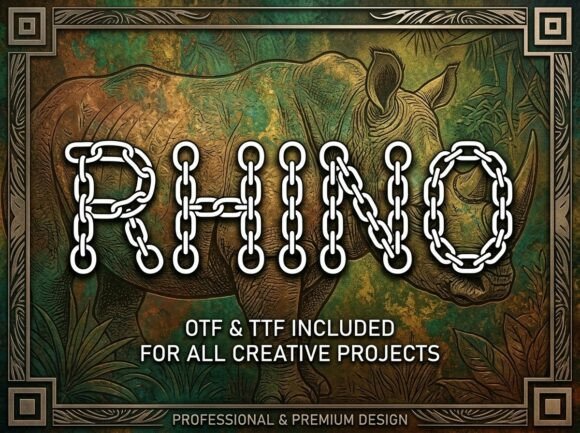
Rhino is categorized as a display font, which is a key piece of information for any designer or creator. Display typefaces are specifically crafted for use at large sizes, like in headlines, logos, and posters, rather than for long blocks of body text. Their primary job is to grab attention and convey a specific mood instantly. What makes this particular typeface visually appealing is its combination of artistic flair and structural strength. It’s not merely decorative; it has a strong visual personality that feels both modern and assertive. The characters are designed as individual works of art, each one carrying a weight and style that contributes to a powerful overall aesthetic. This makes it an excellent choice when you want your typography to be the focal point, not just a supporting element.
Where This Typeface Truly Shines: Practical Applications
The real value of a premium font is measured by its utility across different projects. A versatile display typeface like this one can become a go-to asset in your creative toolkit. Its bold, all-caps nature is engineered for scenarios where clarity and impact are non-negotiable.
- Brand Identity & Logo Design: For startups or brands repositioning themselves, a distinctive wordmark is crucial. The strong silhouette of the letters in Rhino can form the foundation of a memorable logo that stands out in a crowded market. It communicates confidence and creativity from the first glance.
- Packaging Design: On a shelf, you have seconds to make an impression. This font can make product names pop on labels for everything from craft beer and artisan coffee to cosmetics and boutique food items. Its polished finish ensures it looks professional, not chaotic.
- Marketing & Social Media: In the fast-scrolling world of social media, a striking headline is everything. Use it for Instagram story graphics, Facebook ad headlines, YouTube thumbnails, or promotional posters to stop thumbs and drive engagement. It’s also perfect for creating cohesive marketing assets like email headers and banner ads.
- Print & Editorial Layouts: Give magazines, lookbooks, or event programs a dynamic edge. It works beautifully for chapter titles, pull quotes, or section dividers, adding a layer of visual sophistication to editorial design.
- Merchandise & Invitations: From t-shirt slogans and tote bag prints to bold wedding invitation headers or event flyers, the font’s artistic character adds a custom, high-quality feel to any physical item.
Pairing for Balance: Making the Font Work in a System
One of the most common questions with a bold display font is, “What do I pair it with?” Since Rhino is an all-caps typeface designed for headlines, it’s not meant to stand alone in a design system. The key to professional typography is contrast and hierarchy.
A practical approach is to pair it with a clean, highly readable sans-serif font for body copy. Fonts like Open Sans, Lato, or Montserrat provide a neutral, legible counterpart that won’t compete for attention. This creates a clear visual hierarchy: the Rhino typeface draws the eye to the main message, while the sans-serif delivers the supporting details comfortably.
For a different feel, you could experiment with a simple, understated serif font for subheadings or introductory text. This can lend a more classic or editorial tone to your layout. The rule of thumb is to let Rhino be the star. If both your headline and body text are fighting for attention, the design will feel cluttered and difficult to read. Always test your pairings at the actual size they’ll be viewed to ensure the contrast works and readability remains intact.
A Note on Licensing and File Formats
When you invest in a commercial font, you’re not just buying letterforms; you’re acquiring the legal right to use them in your projects. It’s vital to understand the license that comes with your purchase. Most reputable font marketplaces offer clear licensing terms for different uses—such as for a single user, a small team, or for use on products for sale (like merchandise or digital templates).
The provided files—OTF (OpenType Font) and TTF (TrueType Font)—are the industry standards. The OTF file is generally preferred by professional designers using advanced software like Adobe Creative Suite, as it can contain more sophisticated typographic features. The TTF file ensures universal compatibility across almost all operating systems and basic design software. Having both formats means you can seamlessly integrate the font into your workflow, whether you’re designing in Illustrator, Photoshop, Canva, or even Microsoft Word for certain projects.
Choosing with Purpose: Is This the Right Fit?
Before committing to any creative font, it’s worth pausing to consider your project’s core goals. Ask yourself a few questions:
- What is the primary mood I need to convey? Rhino projects strength, artistry, and modernity. Is that aligned with your brand’s voice?
- Where will this be used most? If your main need is for long-form blog text or detailed reports, this isn’t the right tool. But if you need to create powerful headlines, logos, and decorative initials, it’s an excellent candidate.
- Do I have a complementary font for body copy? Planning your full typographic system ahead of time prevents last-minute clashes and ensures a professional presentation.
Ultimately, the best font choices are those made with intention. They consider the audience, the medium, and the message. A typeface like this is a specialized tool. When used in the right context—for a bold headline, a striking logo, or eye-catching packaging—it can significantly elevate the visual consistency and brand recognition of your work. It helps transform a simple message into a memorable visual experience, which is exactly what effective design and branding are all about. For creators looking to break away from the ordinary and make a definitive statement, exploring a font with this much character is a worthwhile step in the creative process.