Wild West Wanted: Bold Typography for Modern Branding
There's a reason the imagery of the American frontier continues to captivate us. It speaks to a spirit of independence, rugged individualism, and unapologetic boldness. For designers and brand builders looking to channel that same energy, typography is a powerful tool. Enter a typeface that doesn't just whisper—it shouts from the rooftops of a dusty main street. This isn't just another display font; it's a statement piece, a slab serif that carries the visual weight of a wanted poster and the confident stance of a saloon sign. It’s designed for projects that need to be seen and remembered, offering a direct line to a heritage aesthetic that feels both nostalgic and strikingly contemporary.
Capturing Frontier Spirit in Every Letterform
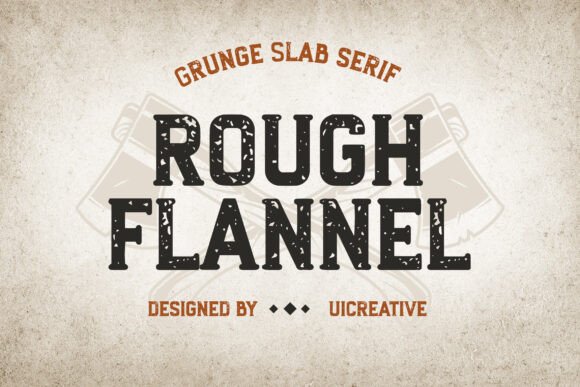
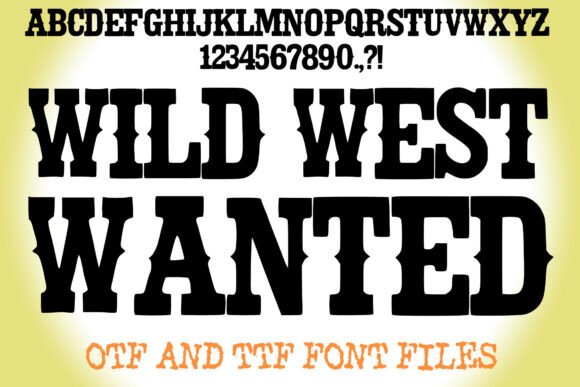
What makes this particular typeface so visually compelling? It’s all in the details. The thick, block-like serifs provide a sturdy foundation, reminiscent of woodblock printing from the 19th century. High contrast between thick and thin strokes creates a dynamic rhythm, drawing the eye across a headline. Notice the sharply indented stems—these subtle angles add a touch of handcrafted character, preventing the letters from feeling overly mechanical. The overall silhouette is chunky and wide, giving it an unmistakable presence on any surface, whether digital or physical. This isn't a font that fades into the background; it's a creative font that commands attention while maintaining enough clarity to remain legible in large headlines and on signage. It strikes a rare balance: dramatic enough to evoke emotion, yet structured enough for practical, professional use.
From Saloon Doors to Storefronts: Practical Applications
So, where does a font with this much personality truly shine? Its applications are as vast as the open range. Think beyond the obvious Western theme. While perfect for a rodeo flyer or a country music festival poster, its real power lies in its versatility for modern brand identity projects.
- Logo Design & Branding: For businesses that want to project strength, authenticity, and a no-nonsense attitude—think craft breweries, artisan leather goods, BBQ restaurants, or outdoor adventure companies—this font can become the cornerstone of a logo design. It instantly communicates a brand story rooted in craftsmanship and heritage.
- Packaging Design: On a shelf crowded with minimalist sans-serifs, a product using this bold slab serif will stand out. It’s ideal for labels on hot sauce, small-batch whiskey, or specialty jerky, adding perceived value and a story to the product.
- Social Media & Digital Content: In the fast-scroll world of Instagram and TikTok, a strong typographic hook is essential. Use it for quote graphics, sale announcements, or video thumbnails to stop the scroll. It pairs surprisingly well with clean sans serif fonts for body text, creating a hierarchy that is both engaging and easy to read.
- Print & Merchandise: From event posters and menu headers to t-shirt designs and merchandise, the font’s high-impact style translates perfectly to physical items. It’s a fantastic design asset for creating cohesive marketing materials that feel intentional and professional.
- Web & Editorial Design: Use it sparingly but effectively for website headers, blog post titles, or chapter headings in a digital magazine. It can add a powerful punch of personality to an otherwise clean layout, enhancing visual consistency and brand recognition across all touchpoints.
Pairing and Practicality: Making It Work for You
Using a powerful display font effectively is about strategy, not just aesthetics. Here’s some practical advice for integrating it into your workflow.
Choose the Right Context. Match the font’s personality to your project’s goals. Is the goal to feel rustic, trustworthy, or fiercely independent? If your brand voice is gentle and modern, this might be a mismatch. But if it’s bold and distinctive, you’re on the right track.
Master the Font Pairing. The key to using a strong headline font is balance. Pair it with a simple, neutral sans serif font or a clean serif font for body copy. This creates a clear visual hierarchy: the display font grabs attention for key messages, while the supporting font ensures longer text remains highly readable. Avoid pairing it with another ornate or overly stylized script font or handwritten font, as this can create visual chaos.
Test for Readability. Always test your designs at the intended size. A font that looks magnificent on a 20-foot banner may lose clarity on a mobile screen. Check the spacing and legibility of your specific headline text. Most premium font packages include multiple styles—look for options like Regular, Bold, or even an Inline version. These variations give you more tools to create contrast and emphasis without changing the core typeface.
Consider Licensing. For any commercial project, always verify the font’s licensing. A quality commercial font will provide clear terms for use across logos, websites, merchandise, and digital products, ensuring you’re legally covered as your brand grows.
Building a Recognizable Visual Identity
Ultimately, the goal of any design element is to serve the larger story you’re telling. A typeface like this is more than just letters; it’s a tool for building brand recognition. When used consistently, it becomes a visual shorthand for your brand’s values. Customers will begin to associate that bold, rugged typography with the quality and character of your products or services. It improves professional presentation by showing deliberate, thoughtful design choices. And in a crowded marketplace, that kind of distinctiveness is what captures attention and fosters audience engagement. It’s a design asset that, when used wisely, can gallop into your creative projects and leave a lasting impression.