Discovering the Charm of the Cute Bee Font Duo
There is a specific feeling you get when you stumble upon a tool that seems to read your mind. For designers and creatives, finding a typeface that bridges the gap between professional polish and raw, human emotion is like striking gold. We often spend hours scrolling through libraries, looking for that perfect script that doesn't look too sterile but also doesn't look like a child wrote it with a crayon. Enter the Cute Bee font duo, a typeface collection that manages to capture a relaxed sophistication while maintaining an energetic, expressive personality. It isn’t just another script font; it is a versatile design asset that brings a distinct flavor to almost any project you can imagine.
The Anatomy of Relaxed Sophistication
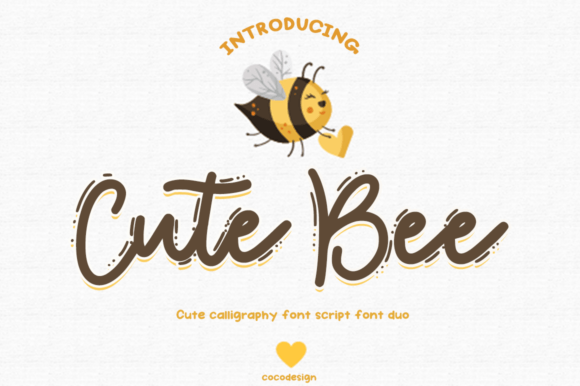
At first glance, the Cute Bee font radiates warmth. It is a captivating blend of handwritten script and calligraphy artistry, but it avoids the trap of being overly formal or stuffy. The defining characteristic here is the "Regular" variant. In the world of script fonts, we often see a stark contrast between a standard italic and a bold version, but this typeface offers a relaxed baseline that feels natural and grounded.
The magic lies in the details—specifically, the expressive swash that accompanies the lettering. This isn't just a standard curlycue added for decoration; it serves as a rhythmic device that guides the eye. When you look at the flow of the letters, you see a balance between structure and spontaneity. It feels like high-end stationery rather than a digital file. This makes it a premium font choice for anyone who wants their work to look bespoke without spending hours manually kerning and adjusting letter connections. It possesses that modern typography feel where readability meets personality, ensuring that your message isn't just read, but felt.
Practical Applications: From Packaging to Posters
Understanding a font’s personality is one thing; knowing where to use it is where the strategy comes in. The versatility of Cute Bee is its strongest selling point. Because it balances elegance with approachability, it fits into a surprisingly wide range of industries.
For those in the business of product packaging, this typeface is a game-changer. Imagine a line of artisanal candles, organic skincare, or boutique baked goods. You want the packaging to whisper "handmade" and "quality" to the customer. Using a sterile sans serif might make the product look clinical, while a messy grunge font might make it look unprofessional. Cute Bee hits the sweet spot. It elevates the label design, giving it that chic flair that encourages a customer to pick it up off the shelf.
Wedding invitations and stationery are another obvious home for this font. The calligraphy artistry shines here, offering a romantic and personal touch that sets the mood for the event. However, don't limit it to weddings. Think about logo design for female entrepreneurs, lifestyle bloggers, or boutique agencies. A logo needs to be memorable. By utilizing the Cute Bee font, you can create a brand identity that feels personal and trustworthy.
Furthermore, consider the world of merchandise. Tote bags, mugs, and t-shirts often rely on typography to make a statement. This handwritten font style translates beautifully to print-on-demand products because it carries a message of authenticity. It works just as well on a digital header for a website as it does on a physical poster, proving its adaptability across numerous platforms.
Strategic Typography: Building Brand Consistency
As a designer or business owner, your choice of typography is a strategic decision, not just an aesthetic one. Fonts carry psychological weight. A heavy, black sans serif might convey authority and urgency, while a delicate serif suggests tradition. Cute Bee conveys creativity, approachability, and elegance. If those values align with your brand, using this typeface can significantly improve your visual consistency.
When you use a cohesive typeface across your marketing assets—from your Instagram stories to your email newsletters and your website headers—you build brand recognition. Your audience starts to associate that specific visual style with your content. This is crucial for social media graphics. In a fast-scrolling environment, a distinctive script font can stop the thumb. It adds a layer of meaning to your quotes and call-outs, making the text feel more like art than just information.
However, strategy also involves knowing when not to use it. While Cute Bee is legible for headers and short bursts of text, it is a display font. It is designed to be the star of the show in headlines, logos, and invitations. It is generally not recommended for long-form body copy, such as the paragraphs of a blog post or a dense report. For those sections, you would want to pair it with a clean sans serif font or a simple serif font that prioritizes readability over flair.
Mastering Font Pairings and Readability
One of the most common mistakes in web design and editorial design is using a script font that clashes with the supporting text. To get the most out of the Cute Bee font, you need to master the art of pairing.
Because this typeface has a lot of movement and personality, it demands a quiet partner. Think of it like a patterned dress; you wouldn't wear patterned shoes and a patterned hat with it. You want solid colors. A geometric sans serif like Montserrat, Poppins, or Lato works exceptionally well alongside Cute Bee. The clean, straight lines of the sans serif provide a visual "rest" for the eye, allowing the expressive swashes of the script to stand out without creating visual chaos.
Readability considerations are also paramount. When placing this font over images—for example, on a blog banner or a Pinterest pin—ensure there is enough contrast. Because handwritten fonts can have thin strokes, a busy background might make the text hard to decipher. Use a solid color block or a semi-transparent overlay behind the text to ensure your message lands clearly. Always test your pairings on mobile devices; what looks elegant on a large desktop monitor might become illegible on a small smartphone screen if the font size is too small.
Integrating Cute Bee into Your Creative Workflow
For the creative entrepreneur or hobbyist, workflow efficiency is key. The Cute Bee font duo is designed to be user-friendly, but it’s worth taking the time to explore the full character map. High-quality script fonts often come with alternate characters and ligatures—different ways the letters connect—that allow you to customize the look of the text. If you are designing a logo, taking five minutes to swap out a standard "s" for a stylistic alternate can make the design feel unique to that specific client.
When it comes to licensing, always ensure you are using a commercial font with the appropriate license for your project. If you are a freelancer creating a logo for a client, or a business owner selling merchandise, you need a license that covers commercial use. This protects you legally and ensures the font creator is supported for their artistry.
Ultimately, the goal of any design asset is to make your life easier while making your output better. Whether you are creating digital products like planners and worksheets, or physical goods like signage and business cards, having a reliable, beautiful script font in your toolkit is essential. It adds that layer of "human touch" that automated, standard fonts often lack. By incorporating Cute Bee into your projects, you aren't just choosing a font; you are choosing to communicate with warmth, style, and a touch of magic. Let it embolden your creative genius and watch how it transforms the ordinary into the extraordinary.