Pixel Game: A Typeface That Brings Digital Charm to Life
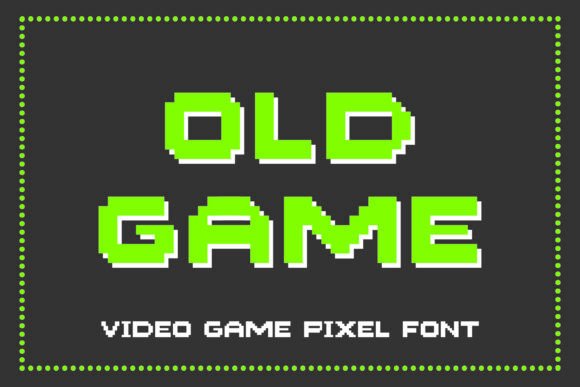
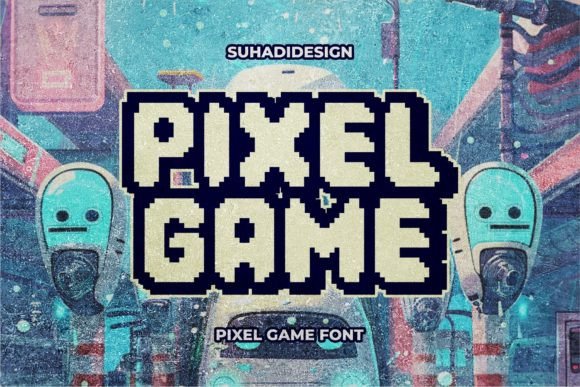
There's a certain magic in the blocky, charming aesthetic of classic video games. It evokes nostalgia, creativity, and a playful energy that transcends generations. Capturing that spirit in a usable, professional font is no small feat, yet that's precisely where a typeface like Pixel Game excels. Designed with a cartoon pixel dot theme, it bridges the gap between retro gaming culture and contemporary design needs, offering a tool that feels both familiar and fresh for a wide array of creative projects.
Aesthetic That Captures Attention
What immediately sets this font apart is its distinctive visual personality. It’s not merely a set of blocky letters; it’s a carefully crafted display font where each character maintains clarity and style. The design feels cool and contemporary, avoiding the pitfall of looking cheap or overly simplistic. The pixelation is intentional and refined, giving it a classy edge that works surprisingly well in professional contexts. For designers, this means you can inject a strong thematic element into your work without sacrificing visual appeal. It’s a font that doesn’t just sit on a page—it communicates a mood, making it a fantastic choice for projects targeting audiences who appreciate gaming culture, retro design, or simply a bold, graphic statement.
From Game Screens to Brand Identities
The practical applications of a font with this character are vast. Its inherent playfulness makes it a natural fit for the obvious: game development, NFT projects, dot-game design, and anything within the digital entertainment sphere. It can instantly set the tone for a mobile app or a indie game title screen. However, its utility extends far beyond the screen.
Consider branding for a children's clothing line, a toy store, or a creative workshop. This typeface can help build a brand identity that is instantly recognizable, fun, and engaging. For logo design, it provides a strong foundation for a mark that needs to be memorable and energetic. In packaging design, especially for products aimed at kids, families, or hobbyists, it can make a product jump off the shelf. The font’s style also translates effectively to social media graphics, where standing out in a fast-scrolling feed is crucial. It can be used for eye-catching Instagram stories, YouTube thumbnails, or TikTok overlays that demand attention.
Practical Uses Across Media
Let's break down where this font can truly shine in your next project:
- Editorial & Publishing: Perfect for the titles and headers in children's books, picture books, comic books, and educational materials. It brings a cartoon-like, approachable feel to layouts that need to captivate young readers.
- Print & Merchandise: Ideal for creating vibrant posters, event flyers for gaming tournaments, or playful invitations for a child's birthday party. On merchandise like t-shirts, mugs, and stickers, it creates a distinct, collectible aesthetic.
- Digital Products & Marketing: Use it for the headers of an online course about game design, the landing page for a creative software tool, or the marketing assets for a new app launch. It helps convey innovation and fun.
- Web & Blog Design: While best used for headlines and accents rather than body text, it can give a blog about pop culture, retro tech, or parenting a unique and engaging visual voice.
Integrating Pixel Game into Your Design Workflow
Adopting a new display font into your toolkit requires some practical thought. First, consider your project's core goal. Is it to evoke nostalgia? To appear cutting-edge and digital? To attract a younger demographic? Pixel Game aligns perfectly with these objectives. The key is matching the font's personality to your message.
Next, think about font pairing. A strong display font like this often works best when balanced with a simpler, clean sans-serif or even a subtle serif font for body text. This contrast ensures readability while letting the headline font make its statement. For example, pairing Pixel Game with a neutral sans-serif like Open Sans or Lato for paragraphs creates a hierarchy that is both dynamic and easy to read.
Always test your font choices in context. Place the text on your intended background—whether it's a website mockup, a packaging template, or a social media graphic. Check its readability at different sizes. While designed for impact, ensure the specific letterforms in your chosen word remain clear. Most premium fonts, including this one, often come with multiple styles or weights. Explore these options. You might find a slightly bolder or lighter version that better suits a particular application, from a bold game title to a more subtle subheading.
A Tool for Professional and Creative Growth
For the creative entrepreneur or small business owner, investing in a quality commercial font is an investment in your brand's visual consistency and professional presentation. Using a well-designed typeface like Pixel Game across your touchpoints—from your website header to your email newsletter to your product tags—builds a cohesive brand identity. This consistency fosters recognition and trust with your audience.
From a marketing perspective, the right typography can significantly boost engagement. A font that resonates with your target audience's interests—like the gaming and pop-culture crowd—can make your content more relatable and shareable. It shows you understand and speak their visual language.
Finally, always be mindful of licensing. Ensure you have the correct commercial license for your intended use, whether for a client project, a product for sale, or your own business materials. This is a standard but crucial part of working with any professional design asset.
In a landscape crowded with generic options, choosing a typeface with a strong point of view can be a game-changer. It’s more than just letters on a page; it’s a storytelling device. For projects that need a dash of digital charm, a sense of play, and a confident, contemporary edge, exploring what a font like Pixel Game offers could be the creative catalyst you’ve been looking for. It reminds us that great design often comes from embracing a specific theme and executing it with style and purpose.