Onemore: The Aggressive Display Font with a Y2K Edge
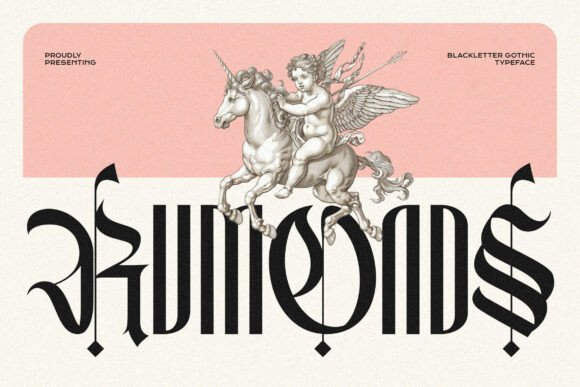
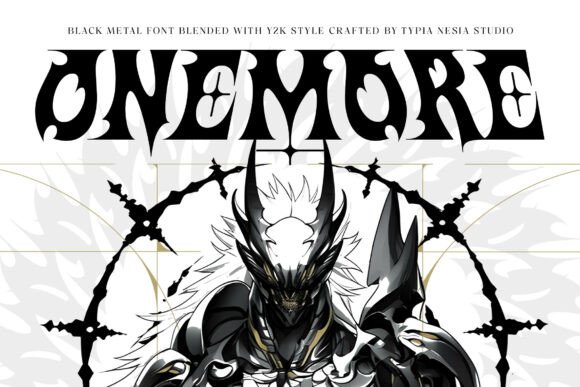
Sometimes a design calls for something more than clean lines and polite aesthetics. It needs a voice—a raw, unapologetic presence that commands the space it occupies. This is the challenge that Onemore, a bold black metal display font with a distinct Y2K flair, is built to meet. It’s not just a typeface; it’s a visual declaration, designed for projects that thrive on intensity, darkness, and a touch of nostalgic rebellion.
At its core, Onemore is a study in controlled chaos. It merges the jagged, aggressive forms characteristic of extreme metal graphics with the sleek, sometimes industrial, digital vibe of the early 2000s. The letterforms are sharp, angular, and heavy, built to create impact at a glance. Yet, within that structure, there’s a digital precision—a Y2K sensibility that prevents it from looking purely vintage or retro. This unique blend makes it incredibly versatile for modern applications that want to tap into a dark, alternative, or subcultural energy without feeling dated.
Where Does a Font Like Onemore Actually Fit?
The true test of any display font is its practical application. A design can look stunning in a specimen sheet but fail in the real world. Onemore’s strength lies in its ability to inject immediate personality and attitude into a wide range of creative and commercial projects.
For branding and logo design, it’s a powerful tool for niche markets. Imagine a craft brewery specializing in dark, high-ABV stouts, a skateboard company with a focus on graphic decks, or a record label for underground electronic or metal music. Onemore can become the cornerstone of their visual identity, instantly communicating their brand’s core ethos. Paired with a simpler, more neutral sans serif font for body text, it creates a dynamic hierarchy that is both readable and unforgettable.
In the realm of packaging design, it can make a product jump off the shelf. Think of a limited-edition coffee bag with a "Midnight Roast" theme, a hot sauce with an extreme heat level, or a line of edgy apparel tags. The font’s inherent drama can elevate the perceived value and story of the product. It tells the consumer this isn’t just another item; it’s an experience with a distinct point of view.
Digital applications are where its versatility truly shines. Social media graphics for a podcast about horror movies, a YouTube channel reviewing heavy music, or an Instagram page for a tattoo artist can use Onemore for headlines and titles to create a cohesive, branded look that stands out in a crowded feed. On a website or blog, it’s best used sparingly but strategically for key headings, hero text, or featured article titles to grab attention and set the mood, while cleaner fonts handle the long-form reading.
Practical Design Advice for Working with Intensity
Using a high-impact font like Onemore requires a thoughtful approach to avoid overwhelming your audience. The key is balance and purpose.
- Context is King: Match the font’s energy to your project’s goal. It’s perfect for a concert poster or merchandise for a metal band, but might be jarring for a children’s bakery or a corporate annual report. Understand your audience’s expectations.
- Master the Pairing: This is non-negotiable. Onemore is a headline font. It demands to be paired with a highly legible, neutral companion for body text. A clean sans serif like Helvetica, Arial, or a modern geometric sans provides a perfect counterbalance, ensuring your message is both seen and read.
- Readability Over Style: At small sizes or in long blocks of text, the intricate details of any display font can become muddy. Always test your designs at the intended size and on the intended medium (screen vs. print). If the words aren’t instantly legible, the style has failed its primary function.
- Explore the Alternates: A premium font like Onemore often includes stylistic alternates and ligatures. These are your secret weapons for creating truly custom, original typography. Don’t just type out the words—play with the character options to craft a unique wordmark or headline that feels handcrafted.
- Consider the License: Before using any font in a commercial project—whether for a client, for sale, or for your own business—verify the license. Ensure it covers your specific use case (e.g., logo, merchandise, digital product) to avoid legal issues down the line.
Beyond the Obvious: Unconventional Uses
While its roots are in music and grunge aesthetics, Onemore’s applications can be surprisingly broad when you think outside the box.
For event planners, it could style invitations or promotional materials for a themed party, a haunted house attraction, or an underground art show. In editorial design, it can create dramatic chapter openers for a dark fantasy novel or section headers in a magazine focused on alternative culture. Digital product creators, like those selling printable planners or social media templates, can use it to target a specific audience that craves this aesthetic.
The goal is to use typography not just to label, but to evoke a feeling. Onemore provides the raw material to evoke feelings of power, mystery, nostalgia, and unapologetic individuality. It’s a tool for visual storytellers who aren’t afraid of the dark.
When your project needs to make a statement that’s both aggressive and oddly familiar, where sharp edges meet digital history, exploring a typeface with this specific character is a smart move. It’s about giving your designs a voice that is as strong and distinctive as the ideas behind them. For those ready to embrace a darker, more intense aesthetic, this kind of font is an essential asset in your creative toolkit.