Rumonds: A Blackletter Font with a Modern Edge
Imagine a typeface that whispers of ancient manuscripts and royal decrees, yet feels completely at home on a sleek website or a contemporary logo. That’s the power of a well-crafted blackletter font, and Rumonds is a prime example. It takes the dramatic, vertical strokes and sharp serifs of traditional Gothic lettering and injects a modern sensibility, creating a typeface that’s both historic and fresh. For designers and creators, it’s not just a font—it’s a storytelling tool that can instantly set a tone of mystery, luxury, or epic fantasy.
The Visual Allure of a Gothic Revival
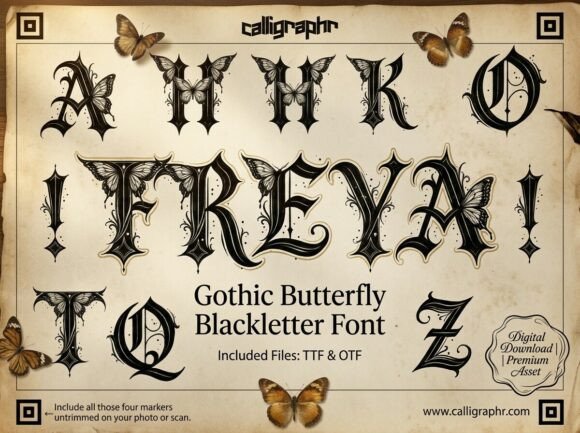
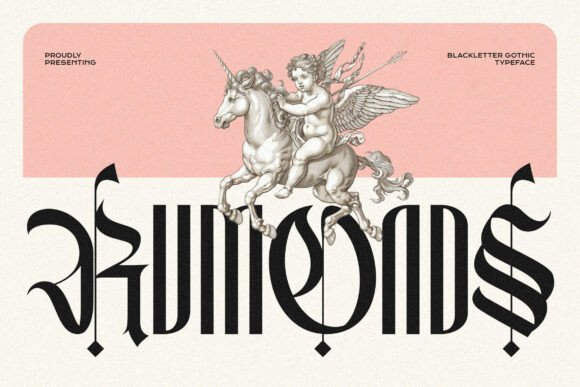
What makes Rumonds immediately stand out is its intricate personality. Each character is built with thick, commanding vertical strokes that give it a strong presence on the page or screen. The sharp, pointed serifs aren't just decorative; they guide the eye and add a level of precision that feels almost architectural. But where many blackletter fonts can feel overly rigid or dated, Rumonds introduces complexity through elegant curved strokes and subtle embellishments. This ornate detailing adds a layer of sophistication, making it feel less like a historical relic and more like a deliberate, luxurious design choice.
This balance is key. The font retains the majestic, ancient vibe of medieval scripts—perfect for evoking a sense of history, mythology, or classical grandeur. Yet, its clean lines and thoughtful construction ensure it doesn’t sacrifice legibility for style. It’s this duality that makes it such a versatile asset. You’re not just choosing a "medieval font"; you’re selecting a premium font that can bridge the gap between a fantasy novel cover and a high-end spirits label, between a historical documentary title and a cutting-edge music festival poster.
Where This Typeface Truly Shines: Practical Applications
Understanding a font's visual appeal is one thing; knowing how to wield it effectively is another. Rumonds excels in projects where atmosphere and first impressions are paramount. Think about branding for a boutique distillery, a bespoke tailor, or a fantasy-themed escape room. The font’s elaborate nature instantly communicates craftsmanship, tradition, and a story worth exploring. It becomes a cornerstone of the brand identity, making logos and wordmarks unforgettable.
Beyond logos, its impact is felt across packaging design. A product wrapped in Rumonds doesn’t just sit on a shelf; it demands attention. It’s ideal for gourmet foods, artisanal coffees, craft beers, or any product that wants to convey heritage and premium quality. For editorial design, it can transform a book cover, magazine masthead, or chapter headings, pulling readers into a world of fantasy or historical fiction before they read a single sentence of the body text.
In the digital realm, Rumonds proves equally powerful. As a display font, it’s perfect for website headers, hero sections, and landing pages that need to make a dramatic statement. It can elevate social media graphics for events, product launches, or thematic content, ensuring your posts stop the endless scroll. For invitations to weddings, galas, or themed parties, it sets an expectation of elegance and exclusivity. Even merchandise like t-shirts, posters, and album covers can achieve a distinct, professional edge with this type of creative font.
Integrating Rumonds into Your Design Workflow
Adopting a strong display font like Rumonds requires a bit of strategy. Its ornate nature means it’s rarely the best choice for long paragraphs of body copy—readability is crucial there. Instead, think of it as your headline specialist. Use it for titles, logos, and short, impactful phrases where its character can be fully appreciated. The goal is to create visual hierarchy, using Rumonds to draw the eye and a cleaner, complementary font—like a simple sans serif or a readable serif font—for supporting text.
Font pairing is an essential exercise. Test Rumonds alongside different typefaces to see what creates the right mood. A clean sans serif like Montserrat or Lato can provide a modern, balanced contrast, letting the blackletter shine without overwhelming the design. A classic serif like Garamond or Georgia can lean into the historical feel for a completely cohesive, vintage-inspired look. Always test your pairings in context: mock up a business card, a website header, or a social media post to see how the fonts interact in real-world scenarios.
Before finalizing any project, always review the full character set and any included font styles (like alternates or ligatures) that Rumonds offers. These details can add unique flair to your typography. Finally, for any commercial work—from client projects to products for sale—ensure you have the correct commercial font license. Understanding the licensing terms protects your work and your client’s investment, allowing you to use this powerful design asset with confidence across all your marketing assets and creative endeavors.
A Typeface for Storytellers and Visionaries
Ultimately, choosing a font like Rumonds is about making a deliberate artistic statement. It’s for the designer who wants to infuse a project with narrative depth, the entrepreneur building a brand with a rich backstory, or the content creator aiming to craft a visually immersive experience. It doesn’t just display text; it evokes a feeling—be it the mystery of ancient lore, the weight of timeless tradition, or the boldness of modern luxury. By thoughtfully applying its strengths, you can transform ordinary projects into compelling visual stories that resonate deeply with your audience and elevate your professional presentation to a new level of artistry.