The Unapologetic Power of Bold: A Font for Making a Statement
There's a moment in every design project where you need to stop whispering and start speaking clearly. You've spent hours tweaking colors, adjusting layouts, and sourcing imagery, but the typography feels hesitant, like it's asking for permission to be seen. This is where a typeface like Bold steps in. It doesn't suggest; it declares. With its thick, confident letterforms and clean, modern aesthetic, this display font is engineered for impact. It’s the typographic equivalent of a firm handshake—immediate, strong, and impossible to ignore. For anyone building a brand, launching a product, or creating content that needs to cut through the noise, understanding how to harness this kind of visual power is less about technical skill and more about strategic intent.
More Than Just Thick Letters: The Anatomy of Confidence
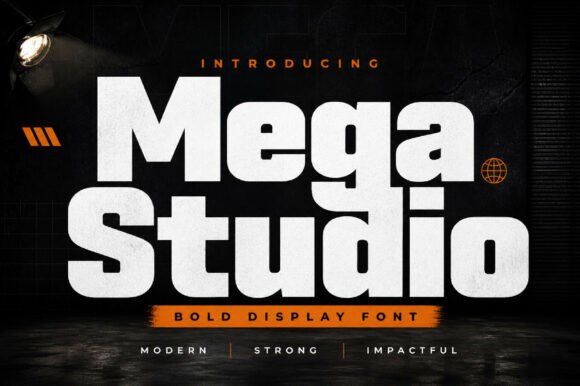
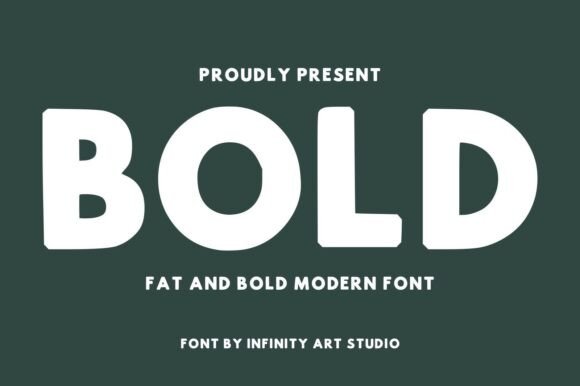
At first glance, "bold" might seem like a simple descriptor, but this specific typeface carries a distinct personality. Its strength lies in its balance. The letterforms are substantial without feeling bloated or overly aggressive. There’s a deliberate cleanliness to its construction—no unnecessary flourishes or distracting details. This minimalism is key. It ensures the font communicates authority and modernity rather than just volume. Think of it as a premium design asset; it’s not just a collection of characters, but a carefully crafted tool designed to anchor a visual system. The even weight across strokes creates a solid, unified block of text when used for headlines, making it exceptionally readable at a glance, which is exactly what you need for a billboard, a social media banner, or a website hero section.
Where This Font Truly Shines: Practical Applications
The real test of any creative font is how it performs in the wild. Bold’s versatile nature makes it a workhorse across a surprising variety of projects. Its primary strength is in contexts where you need to establish hierarchy and immediate recognition.
- Brand Identity & Logo Design: For a startup or a rebrand, this typeface can serve as the foundational logotype. Its inherent confidence helps build instant brand recognition, especially for companies in tech, fitness, apparel, or creative services that want to project strength and clarity.
- Packaging & Merchandise: On a shelf or a t-shirt, you have milliseconds to catch a customer's eye. Bold’s clear, impactful lettering ensures product names, slogans, or brand marks are legible from a distance, making it ideal for packaging design and merchandise.
- Digital & Social Media: In the fast-scrolling environment of Instagram, TikTok, or LinkedIn, bold typography stops the thumb. Use it for quote graphics, promotional announcements, or story highlights. Pair it with a simpler sans serif font for body text to create a clean, professional look that enhances audience engagement.
- Editorial & Marketing Materials: Magazine covers, poster designs, and email headers benefit from a font that can carry a headline with authority. It provides a strong visual anchor for layouts, guiding the reader’s eye to the most important information first.
Strategic Typography: Aligning Font with Goal
Choosing a font isn’t just about what looks cool; it’s about what communicates the right message. Bold’s personality is direct, contemporary, and assertive. Ask yourself: does this align with my project’s goals? If you’re designing a luxury spa menu, it might feel too forceful. But if you’re creating a poster for a music festival, a banner for a new app launch, or branding for a fitness coach, its energy is perfectly suited. The key is to match the font’s voice to your brand’s voice. Using it consistently across your website, social media graphics, and print materials builds a cohesive visual identity that strengthens brand recognition over time. It becomes a signature element that your audience associates with your unique presence.
Pairing and Readability: The Practical Essentials
A powerful display font like Bold rarely works well alone for long-form text. Its job is to command attention, not to narrate a story. This is where thoughtful font pairing becomes crucial. The goal is to create a harmonious relationship where the bold headline draws the reader in, and a complementary body font keeps them reading.
Consider pairing it with a clean, highly readable sans serif font for body copy. The contrast in weight and scale will create a clear, professional hierarchy. Alternatively, for a more dynamic feel, you might pair it with a subtle script or handwritten font for accents, though this requires careful testing to avoid visual clutter. Always test your pairings in context. View them on a mockup of your website, a sample of your packaging, or a draft of your poster. Check the readability at different sizes and on different screens. Does the headline still pop? Is the body text easy to scan? This practical testing phase is non-negotiable for ensuring your final design is both beautiful and functional.
Licensing and Long-Term Value
When investing in a premium font, especially one intended for commercial use, understanding the licensing is fundamental. Most fonts, including quality display typefaces like Bold, come with specific license agreements. These outline exactly how you can use the font—for example, on websites, in digital products for sale, on physical merchandise, or within software applications. Always review the license details before purchasing. A good commercial license is an investment in your project’s professionalism and legal security. It ensures you can use the font across all your intended platforms without future complications, allowing you to build and scale your brand or creative work with confidence. Ultimately, a strong, versatile typeface is one of the most valuable assets in a designer’s toolkit, providing the visual impact needed to make any project stand out.