Vintage Bloom: A Script Font with Timeless Appeal
There's a particular feeling you get when you see a design that just works—where the typography doesn't just sit on the surface but actually communicates something deeper. Maybe it's a bakery logo that makes you feel warm before you've even tasted the bread, or a wedding invitation that sets the emotional tone with a single glance. That kind of visual storytelling often comes down to one critical choice: the font. And for designers, business owners, and creatives who want to inject genuine warmth and character into their work, Vintage Bloom is a typeface worth knowing.
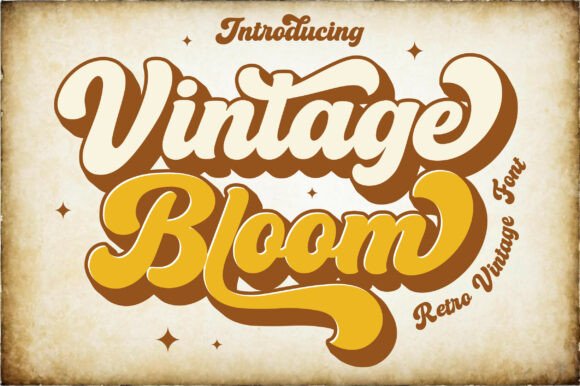
This retro vintage script font blends bold elegance with a playful, flowing rhythm that feels both nostalgic and fresh. Its smooth curves carry the weight of classic hand-lettering traditions while remaining surprisingly versatile for modern applications. Whether you're building a brand identity from scratch, refreshing your packaging design, or creating social media graphics that actually stop the scroll, this typeface brings a distinctive personality that's hard to replicate with more conventional fonts.
Why Script Fonts Like This One Still Matter
In an era saturated with clean sans serif fonts and minimalist aesthetics, you might wonder why a bold script typeface still holds relevance. The answer is simple: differentiation. When every tech startup and lifestyle brand defaults to the same geometric sans serif, a thoughtfully chosen display font with vintage character becomes a powerful differentiator. It signals that a brand has personality, that it cares about craft, and that it's willing to stand apart from the crowd.
Script fonts occupy a unique space in modern typography. They bridge the gap between handwritten warmth and professional polish. Vintage Bloom, specifically, manages to feel authentic without looking amateurish—a distinction that matters enormously when you're trying to build trust with an audience. The letterforms have enough structure to remain legible at various sizes, yet they retain the organic imperfections that make hand-lettered styles feel human and approachable.
For small business owners especially, this balance is crucial. You want your logo design to feel personal and memorable, but you also need it to reproduce cleanly across business cards, website headers, packaging, and merchandise. A premium font that was built with these real-world constraints in mind saves you headaches down the road.
Where This Font Truly Shines
Think about the brands and products that evoke a sense of heritage, craftsmanship, or artisanal quality. Coffee roasters, boutique bakeries, handmade cosmetics, craft breweries, vintage clothing lines, specialty food brands—these businesses thrive on visual storytelling that communicates authenticity. A typeface like Vintage Bloom fits naturally into this world because it carries visual cues that audiences already associate with quality and care.
Consider a few practical applications where this font can elevate your work:
- Logo design and brand identity: A script font used for a primary wordmark creates instant personality. Pair it with a clean serif or sans serif for body copy, and you have a cohesive brand system that feels both distinctive and professional.
- Packaging design: On labels, boxes, and bags, a vintage script catches the eye and communicates product quality before the customer reads a single word of copy.
- Wedding and event invitations: The elegant flow of these letterforms sets a romantic, sophisticated tone that formal serif fonts sometimes struggle to achieve.
- Social media graphics: Bold script typefaces perform exceptionally well as headline text on Instagram posts, Pinterest pins, and Facebook ads where you have roughly two seconds to capture attention.
- Merchandise and apparel: T-shirt designs, tote bags, and mugs benefit enormously from fonts that look handcrafted and personal rather than corporate.
- Editorial design and blog graphics: Feature images, pull quotes, and section headers gain visual interest when set in a typeface with real character.
- Website headers and hero sections: A striking script headline paired with a readable body font creates visual hierarchy that guides visitors through your content.
- Marketing assets: From sale banners to email headers to digital product covers, having a versatile creative font in your toolkit means you can produce polished materials quickly.
Getting the Font Pairing Right
One of the most common mistakes designers make with script fonts is using them for everything. A flowing handwritten font looks stunning in a headline, but set a full paragraph in it and you've created an unreadable wall of decorative text. The key to working with any display font is understanding its role in the typographic hierarchy.
Vintage Bloom works best as a headline, accent, or feature font. For body text and longer passages, pair it with something simpler and more neutral. A classic serif like Garamond or Baskerville creates a sophisticated, editorial feel. A clean sans serif like Helvetica or Open Sans keeps things modern and accessible. The contrast between the ornate script and the restrained body font is what creates visual tension and interest.
When testing font pairings, try setting a real piece of content—not just "Lorem ipsum" placeholder text. Type out an actual product description, a real headline, a genuine call to action. This gives you a much better sense of how the fonts interact in context. Pay attention to size relationships too. Your script headline might need to be significantly larger than you initially expect to create the right visual weight against your body copy.
Color matters as well. Vintage scripts often look their best in warm, muted tones—think deep burgundy, forest green, dusty rose, or classic black on cream. High-contrast neon colors can work for certain playful applications, but they tend to fight against the font's inherent elegance.
Readability and Practical Considerations
Any honest conversation about script fonts needs to address readability. The ornamental nature of decorative typefaces means they sacrifice some legibility for personality. That's perfectly acceptable—as long as you use them strategically. A logo or headline doesn't need to be read at a glance the same way body copy does. It needs to create an impression, convey a mood, and invite the viewer to engage further.
That said, even within the script category, there's a wide spectrum of readability. Fonts with excessive swashes, ligatures, and flourishes can become genuinely illegible at smaller sizes. What makes a typeface like Vintage Bloom practical is that its letterforms maintain enough clarity to function across a range of sizes and contexts, from large-scale posters to smaller packaging labels.
Before committing to any creative font for a project, test it in the actual medium where it will appear. Print a sample at the size you'll actually use. View it on a mobile screen at the dimensions it will appear in your Instagram feed. Check how it renders on different backgrounds and in different colors. These real-world tests reveal issues that you'll never catch by looking at font specimens on a download page.
Licensing and Building Your Font Library
If you're working on commercial projects—designing for clients, selling products, building a brand—font licensing is something you can't afford to ignore. Many designers have learned this lesson the hard way, discovering months into a project that the beautiful free font they downloaded actually requires a commercial license for business use.
A quality commercial font typically comes with clear licensing terms that cover the specific ways you intend to use it. For a typeface like Vintage Bloom, you'd want to confirm that the license covers your intended applications, whether that's digital products, printed merchandise, client work, or all of the above. Reading the license agreement before you start designing prevents costly surprises later.
Building a thoughtful library of design assets—including premium fonts—is an investment that pays dividends across every project you touch. Rather than downloading dozens of mediocre free fonts, investing in a smaller collection of well-crafted typefaces gives you reliable tools that perform consistently. A single versatile script font, paired with a solid serif and sans serif, can cover an enormous range of design needs.
Bringing It All Together
The fonts you choose are never just decorative choices. They're communication tools that shape how people perceive your brand, your product, and your message. A typeface with genuine character—something with history, warmth, and visual distinctiveness—does work that no amount of stock photography or color palette tweaking can accomplish on its own.
Vintage Bloom occupies a specific and valuable niche in the typographic landscape. It's bold enough to command attention in a logo, elegant enough for formal invitations, and versatile enough to work across digital and print applications. For anyone building a brand with personality, designing products that need to stand out on a shelf, or creating marketing materials that feel genuinely crafted rather than templated, it's the kind of font that earns its place in your permanent toolkit.
The best design decisions are the ones that feel inevitable in hindsight—where the typography and the message are so perfectly aligned that you can't imagine it any other way. Finding the right typeface is part instinct, part experimentation, and part understanding what you're actually trying to say. Start there, and the rest tends to fall into place.